

Scaling Without the Drag: Preparing Startups for Growth
Explore how UK startups can reduce operational drag, connect finance and operations, and prepare for growth with a phased approach to ERP from Cedar Bay.

Steve Fletcher
30th Oct 2026
Acumatica ERP for UK Startups: Scaling Without the Drag
By Steve Fletcher, Acumatica ERP Practice Director and founding member of Cedar Bay
Preparing UK Startups for Growth
A business can have a compelling product, a strong management team and a significant market opportunity, yet still struggle to grow profitably.
The difficulty often lies in the everyday work that supports growth. Orders need processing. Materials need tracking. Projects need costing. Management needs reliable information to decide where the business goes next.
As activity increases, weaknesses in those processes become more expensive. Revenue rises, but so does the effort required to keep everything moving.
For investors, that raises a question worth asking alongside the usual discussions about market opportunity: can this business support the growth we expect without consuming a disproportionate amount of capital in administration and overhead?
The warning signs are often familiar
Across different industries, we repeatedly see similar signs that a business has outgrown its original processes.
- Spreadsheets become essential to daily operations. There is a difference between using a spreadsheet to analyse information and depending on one to control stock, calculate project costs or coordinate fulfilment. Critical processes become vulnerable when their accuracy depends on someone manually maintaining a file.
- People enter the same information more than once. Sales, finance and operations each hold a different version of events. Staff spend time transferring data between systems and investigating discrepancies.
- Reporting depends on a few individuals. A routine management question takes days to answer because only one person knows how to assemble the information. Their knowledge becomes a constraint on both decision-making and resilience.
- Administration grows alongside revenue. Every increase in orders seems to require more people to manage the paperwork.
These can be symptoms of a successful business. The important question is whether management recognises them and has a proportionate plan to respond.
How operational friction absorbs investment
Consider a business planning to double revenue.
With disconnected systems, a larger order book may bring substantially more manual processing and reconciliation. Costs accumulate gradually: another administrator, additional finance support, more management time spent resolving errors.
Each decision may be reasonable in isolation. Together, they can absorb the margin improvement investors expected growth to produce.
Connected processes offer a different possibility. Information captured when an order arrives can flow through purchasing, inventory, delivery and finance, reducing repeated entry and the work needed to keep records aligned.
That creates capacity to handle more activity without increasing administrative costs at the same rate.
This is the commercial significance of operational improvement. Time saved on individual tasks matters because it releases people to support a larger business. Revenue has more opportunity to grow faster than the overhead required to manage it.
Investment in systems should follow business maturity
Recognising these issues does not mean every UK startup needs a major enterprise resource planning, or ERP, implementation.
For UK startups, the timing and scope need to reflect the business’s maturity, operational needs and available capital.
For An appropriate starting point might be financial management and a few essential operational processes. Purchasing, inventory and order management can follow as those activities become more demanding. Further capabilities can come later, when there is a clear reason to introduce them.
This phased approach helps management balance competing demands on capital. It also reduces the risk of accumulating operational problems that become harder to resolve as transaction volumes and dependencies increase.
The aim is to choose a foundation that can accommodate the company’s next stages of development.
Venture Engineering: releasing capacity for growth: Acumatica ERP
Venture Engineering illustrates the pressures a growing business can encounter.
Its early arrangements combined QuickBooks, spreadsheets and paper processes. As operational complexity increased, the team faced difficulties with inventory visibility, project cost tracking and keeping information coordinated.
The company took a phased approach to introducing Acumatica ERP, bringing financial and operational information together.
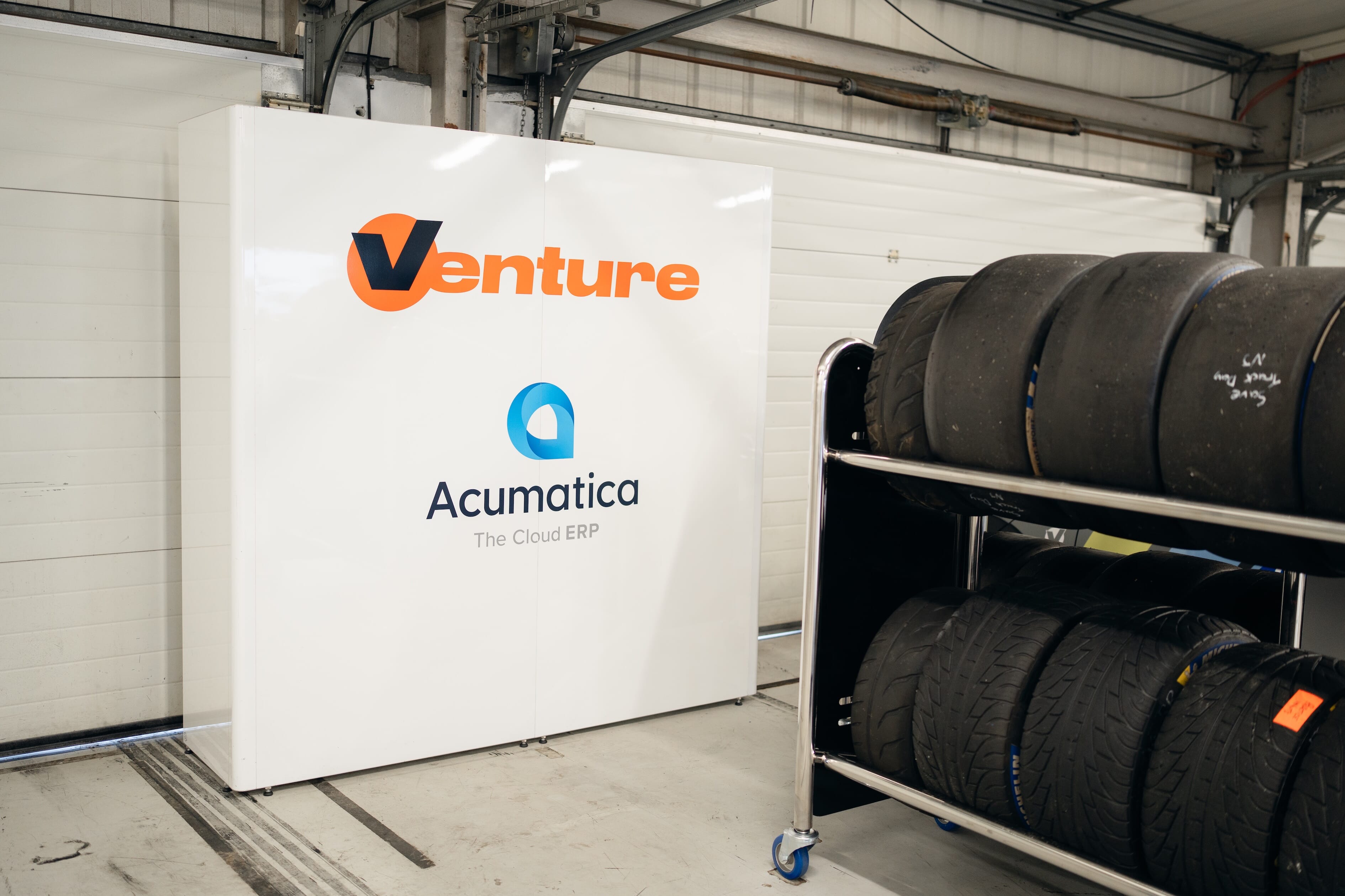

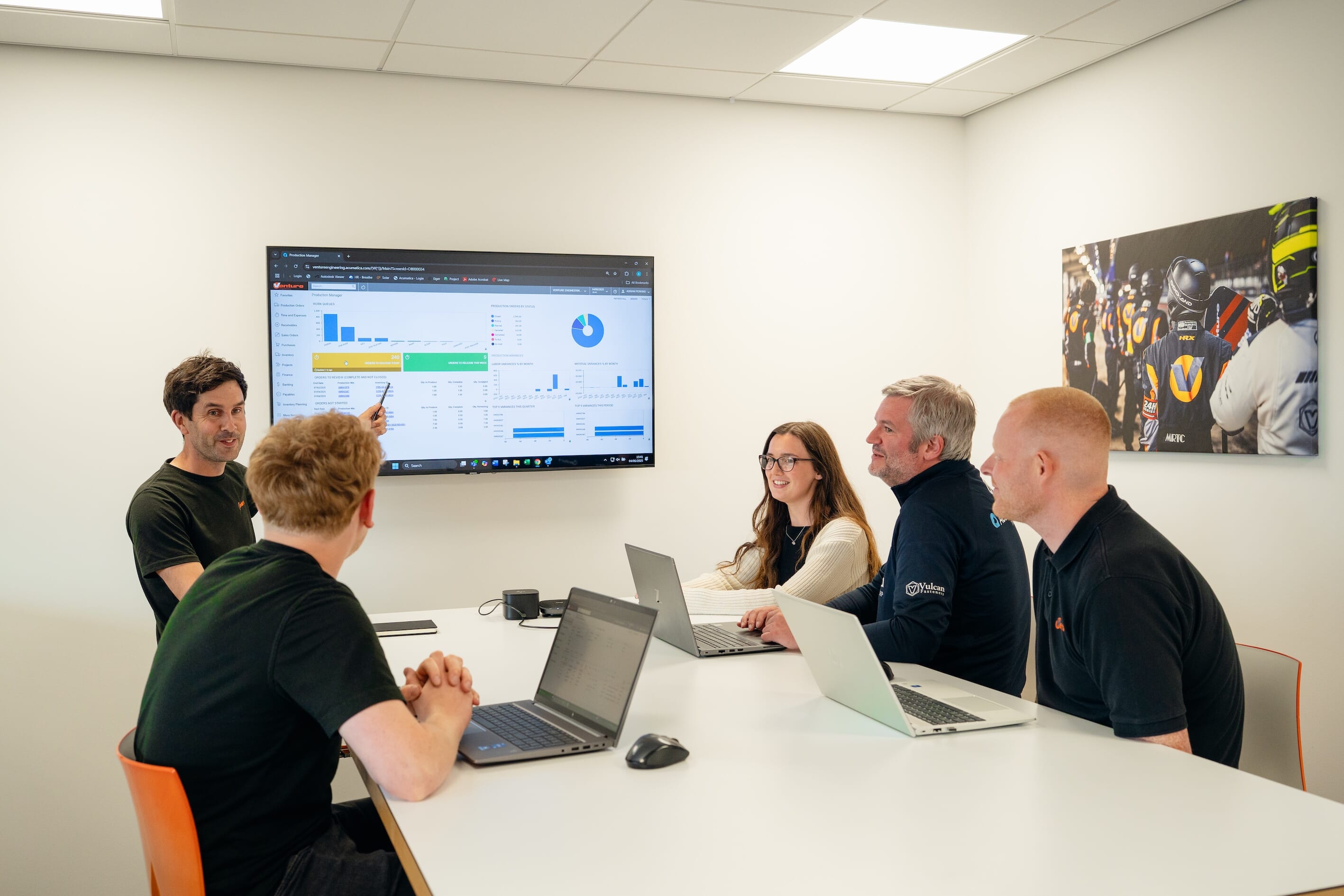
Acumatica ERP was a good fit because Venture’s challenges crossed the boundary between finance and day-to-day engineering operations. QuickBooks, spreadsheets and paper held different parts of the picture, making it difficult to see how materials and project activity affected costs. Bringing that information together gave the business a more consistent basis for tracking its work and understanding its financial position.
Inventory was a particularly important part of that fit. With more than 20,000 parts to track, maintaining visibility through separate files created a substantial administrative burden. Connecting inventory with financial and operational information addressed a central requirement of the business: keeping control of a growing volume of parts while making the information useful to the people managing projects and costs.

The phased implementation also suited a growing company with competing demands on its time and capital. Venture could introduce finance, inventory and operational capabilities progressively, rather than attempt to change every process at once. Acumatica’s modular approach provided a foundation for that progression, with scope to add capabilities as the business developed.
For Venture, the value of that fit showed up in the capacity released. Less time spent maintaining and reconciling spreadsheets meant more time available for productive work, while connected information helped management retain visibility as the company grew.
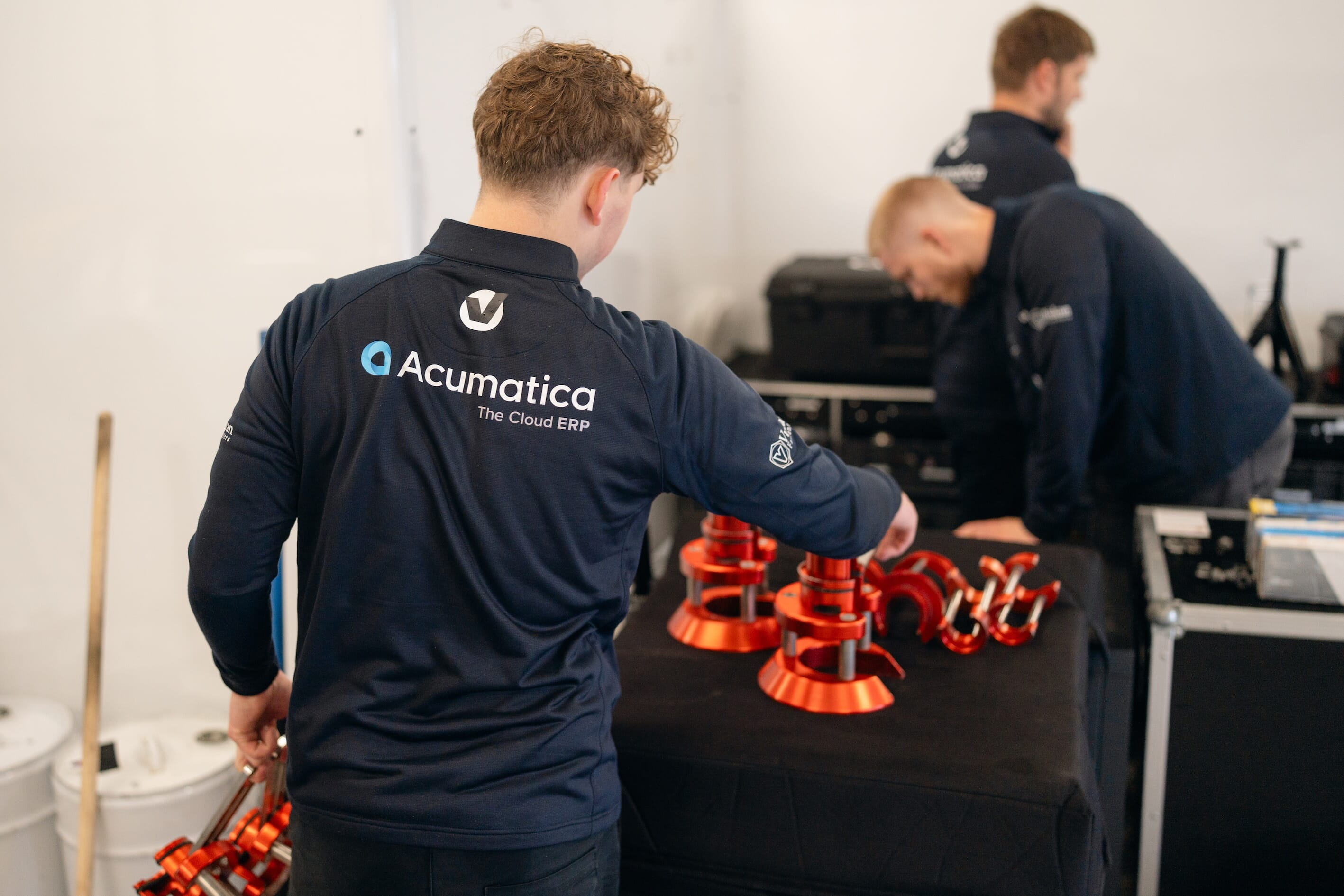
The case study reports that Venture Engineering now tracks more than 20,000 parts through the system and has freed eight people from spreadsheet management. That represents time released for more productive work, rather than eight jobs removed.
Operations Manager Will Bos described the system as supporting rapid scaling while maintaining business visibility without increasing administrative overheads.
Other businesses will have different requirements and results. The useful question for investors is how much capacity a portfolio company currently devotes to maintaining information, and what its people could achieve if that burden were reduced.
Click Here To View The Full Case Study.
Connected information strengthens planning
UK startups: How Acumatica ERP supports growth planning
Better operational information also gives management a stronger basis for considering what comes next.
Investors need to understand cash availability, commitments and the funding implications of growth. When information sits across disconnected systems, assembling that picture takes time. Assumptions may already have changed by the time a forecast is ready.
Connected financial, commercial and operational data can make scenario planning more useful. Management can explore how faster revenue growth might affect working capital, what earlier recruitment would cost, or how a delayed customer payment could change the next funding requirement.
AI tools may help teams examine these questions more quickly. At Cedar Bay, we use Claude securely connected within our Acumatica ERP environment to explore growth scenarios using information from our integrated sales pipeline.
The value depends on reliable underlying information and a clear understanding of the assumptions.
Three questions for investors
When assessing a business or supporting an existing investment, three questions can reveal whether its operations are ready for the next stage:
- What will become harder as the business grows? Consider how the team will manage substantially more customers and transactions.
- Will additional capital create capacity, or fund rising overhead? Understand how much recruitment supports new opportunities and how much compensates for processes that cannot keep up.
- Which operational weaknesses would be easier to address now? Some issues become considerably more disruptive once the business is larger.
Investors can help management recognise these pressures early and choose an appropriate response. Sometimes that means better processes. Sometimes it means connected systems. Often, it begins with a clearer view of where people’s time goes.
At Cedar Bay, we help growing organisations work through those decisions. If growth is exposing weaknesses in a portfolio company’s systems or reporting, an informed conversation about the options and timing can be a useful first step.