
3 Minute read
AI and ERP: Why Both Work Better Together
AI and ERP work better together. Explore why extending an established ERP platform with AI could be a practical alternative to building your own.

Dan Boulton
5th Nov 2026
AI and ERP: Why Both Work Better Together
By Dan Boulton | Cedar Bay – your trusted Acumatica partner UK
AI and ERP: Why Both Work Better Together is the focus of this final article, exploring why I believe businesses should use AI to extend an established ERP platform.
Over the last two articles, I’ve explored some of the challenges and risks businesses should consider before developing their own ERP systems using AI.
But I don’t want the message to be that businesses shouldn’t use AI to develop software.
Quite the opposite.
I think AI presents an enormous opportunity, particularly for manufacturers and distributors with unique processes that traditional software doesn’t always accommodate.
The question is where that development effort is best spent.
AI and ERP: Build on an established foundation
Having spent years working with businesses evaluating and implementing ERP systems, I’ve seen how complex even relatively straightforward processes can become.
That’s why I believe the strongest approach is to start with an established ERP platform and use AI to extend it.
Take Acumatica ERP, for example.
It provides an established foundation for finance, inventory, purchasing, sales and manufacturing, alongside integration and development capabilities.
AI can then be used to build functionality around those processes.
A distributor might use AI to interpret customer orders received by email, analyse purchasing trends or identify unusual stock movements.
A manufacturer could explore using AI to support production analysis, highlight potential material shortages or develop specialist functionality around its operations.
These applications still require proper design, security and testing, but the business isn’t having to recreate the underlying ERP controls.
Invest in AI development where it makes a difference
One of the biggest attractions of AI-assisted development is cost.
But businesses should consider the full cost of owning software, not simply developing it.
Who maintains it? Who resolves issues? Who manages security updates? And what happens if the person responsible for developing it leaves?
Established ERP platforms also have ongoing costs, but they provide a supported foundation that businesses can build upon.
For me, the opportunity is to use AI to develop capabilities that genuinely differentiate your business, rather than recreate functionality that already exists.
AI and ERP: Why Both Work Better Together
I believe AI will fundamentally change how businesses use ERP.
We’ll see more automation, better access to information and increasingly flexible applications developed around individual business requirements.
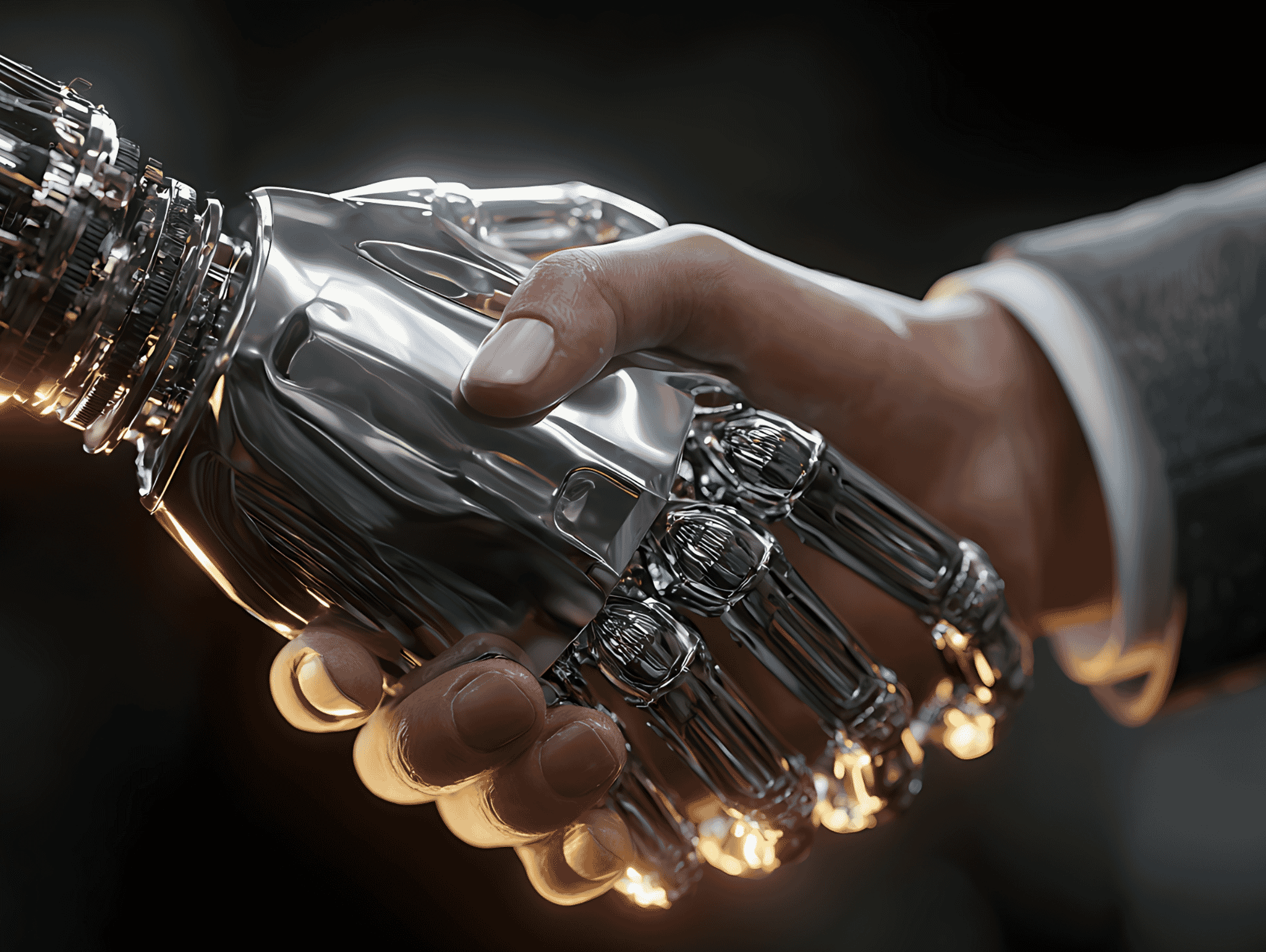
But I don’t believe the future needs to be AI versus ERP.
The two technologies can complement each other.
Start with a proven foundation, understand what makes your business different and use AI to develop the capabilities that create genuine value.
The question I’d leave business owners with is this:
Do you want to invest in recreating the software that makes your business work, or developing the capabilities that make your business better than your competitors?
For me, that’s where the real opportunity lies.
If you’re considering how AI and ERP could work better together, I’m always happy to have a conversation about the possibilities.